

Neighbourhood Health has been a recurring theme across Forum Central over the past year, reflecting the growing shift towards more joined-up, preventative and community-based health and care.
We’ve previously explored the national direction of travel in What Neighbourhood Health Means for the Third Sector in Leeds, shared updates from the Leeds Provider Partnership and Neighbourhood Health: Recent Updates, and highlighted discussions from our May Representatives’ and Reference Group meeting.
Now, Leeds Health and Care Partnership has published an updated Neighbourhood Health narrative that brings much of this work together into a single vision for how health and care will develop across the city over the coming years.
Read the Narrative Update Doc here
Building on strong foundations
One of the most important messages in the new narrative is that Neighbourhood Health is not a new programme.
Instead, it builds on years of partnership working already happening across Leeds.
Many Forum Central members will already be involved in initiatives such as Local Care Partnerships, Community Anchors, Linking Leeds, Community Champions, HomeFirst, Integrated Neighbourhood Teams and other collaborative programmes that have developed over the last decade. These existing relationships provide the foundations for the next stage of neighbourhood working.
Rather than creating another layer of programmes, the ambition is to better connect what already exists, making services simpler for residents while making better use of the knowledge, expertise and trusted relationships already present within communities.
Why this matters
The document reminds us that improving health is about much more than healthcare.
Around 80% of our health is influenced by the conditions in which we are born, grow, live, work and age. Housing, employment, education, financial security, transport and community connections all play a significant role in determining people’s health outcomes.
This is why the Third Sector is central to Neighbourhood Health.
Community organisations support people every day through advice services, mental health support, physical activity, social prescribing, volunteering, employment support, community development and countless other activities that help people stay healthy and independent long before they need hospital care.
The narrative acknowledges that improving health requires stronger collaboration across all of these areas.
A bigger role for the Third Sector
Perhaps the clearest message for Forum Central members is that the Third Sector is no longer seen simply as a delivery partner.
The narrative states that Neighbourhood Health depends on collective ownership across the whole system, with partners from health, care and the Third Sector working together as equal contributors, breaking down organisational boundaries to improve outcomes for local people.
This reflects the direction Forum Central has consistently championed through our work with Local Care Partnerships, health and care networks and strategic partnerships across Leeds.
Organising care around neighbourhoods
Neighbourhood Health aims to organise services around people rather than organisations.
The ambition is for people to experience joined-up care that feels coordinated, proactive and centred around what matters to them. Services should be easier to navigate, professionals should work more closely together, and people should not have to repeat their story every time they access support.
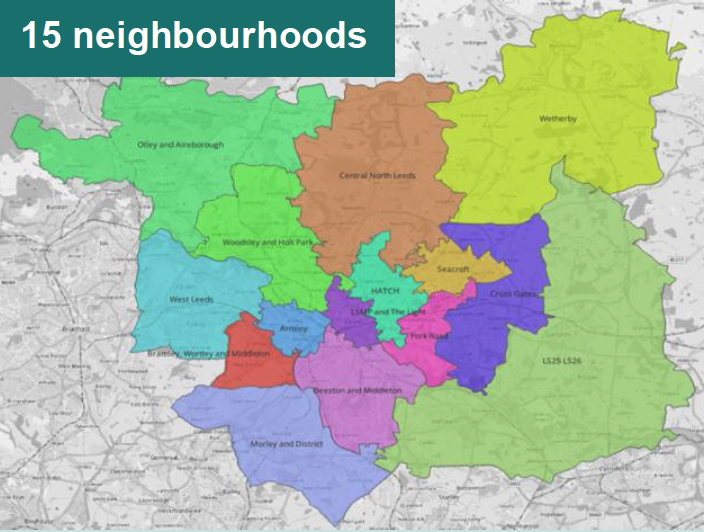
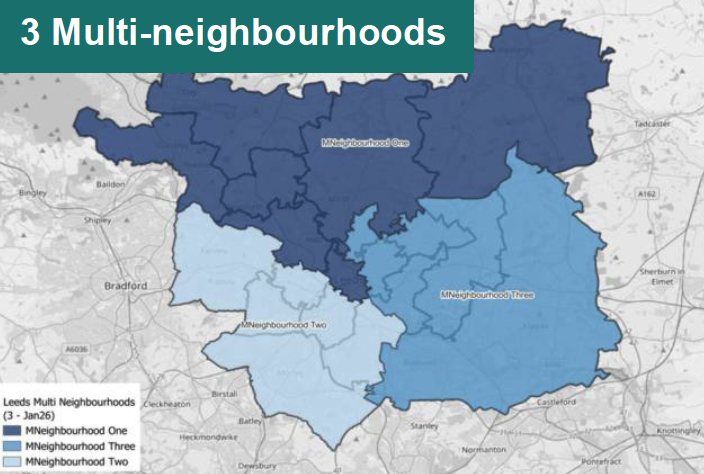
To support this, Leeds has agreed 15 neighbourhoods and three multi-neighbourhoods that will provide a shared geography for organisations to work together more effectively.
Prevention remains at the heart
The narrative places a strong emphasis on prevention and early intervention.
This aligns closely with work already underway across Leeds, including HomeFirst Highlights – early Spring 2026 edition, which explored how neighbourhood proactive care, intermediate care and prevention are helping people remain independent and receive support closer to home.
Neighbourhood Health builds on these developments, bringing prevention, proactive care and reactive care together within a single framework that also recognises the wider determinants of health.
What people told Leeds
The document also highlights something that should resonate with every organisation working across health and care.
People consistently said they value three things above all else:
- Communication
- Coordination
- Compassion
These “3Cs” will help shape how organisations work together as Neighbourhood Health develops, ensuring services are designed around people’s experiences rather than organisational structures.
From planning to delivery
While Neighbourhood Health has been discussed for some time, the narrative makes clear that 2026/27 is the year that Leeds begins moving from design into delivery.
Priorities include embedding neighbourhood leadership, expanding proactive care, progressing Neighbourhood Health Hubs, strengthening workforce development, improving digital information sharing and creating sustainable ways for organisations to work together over the long term.
The document also identifies five essential building blocks for success:
- Workforce development
- Digital and data sharing
- Sustainable finance
- Neighbourhood Health Centres
- Communications and people’s voice involvement
The inclusion of communications and public involvement recognises that successful neighbourhood working depends not only on organisational change, but on meaningful engagement with communities and ensuring local people continue to shape services.
Looking ahead
For many organisations across Leeds’ Third Sector, much of this vision will feel familiar.
Community organisations have long understood that good health depends on trusted relationships, strong neighbourhoods and services working together around people rather than organisations.
The updated Neighbourhood Health narrative doesn’t replace that work. Instead, it provides greater clarity about how these existing strengths will help shape the future of health and care in Leeds.
Forum Central will continue to share updates, opportunities and resources as Neighbourhood Health develops, helping ensure the Third Sector remains at the heart of partnership working across the city.
Read more
If you’d like to explore related work, you may also find these useful:
- What Neighbourhood Health Means for the Third Sector in Leeds
- Leeds Provider Partnership and Neighbourhood Health: Recent Updates
- May Representatives’ and Reference Group meeting: Building Neighbourhood Health in Leeds
- Local Care Partnerships
- HomeFirst Highlights – early Spring 2026 edition
- Health & Care at Forum Central
I think this version is stronger because it doesn’t sit in isolation. It becomes the next chapter in an ongoing story that you’ve already been publishing, which is better for readers, strengthens internal linking, and reinforces Forum Central’s role as the place where people can follow the development of Neighbourhood Health in Leeds.
