

Dying Matters Week takes place from 4 to 10 May 2026, with this year’s theme focusing on a simple but important message:
Let’s talk about death and dying.
Across Leeds, organisations are coming together to create safe, supportive spaces where people can start these conversations. Backed by funding from the Leeds Palliative Care Network, 11 community grants have supported local groups to deliver activity during the week, helping to raise awareness and reduce stigma.
This is about making conversations that can feel difficult more normal, more open, and more accessible to everyone.
Why This Matters
Talking about death and dying is not always easy. For many people, it can feel uncomfortable or overwhelming. But avoiding the conversation can make things harder later on, both for individuals and for families.
Dying Matters Week creates an opportunity to approach these conversations differently. Through community-led activity, it helps people reflect, share experiences and think about what matters to them.
Often, the most effective starting point is simple. Sharing a memory of someone who has died. Talking about music choices. Thinking about where someone would want to be or who they would want around them. These small prompts can open the door to more meaningful discussions.
There are also practical tools available to support this, including guidance and planning resources from Hospice UK.
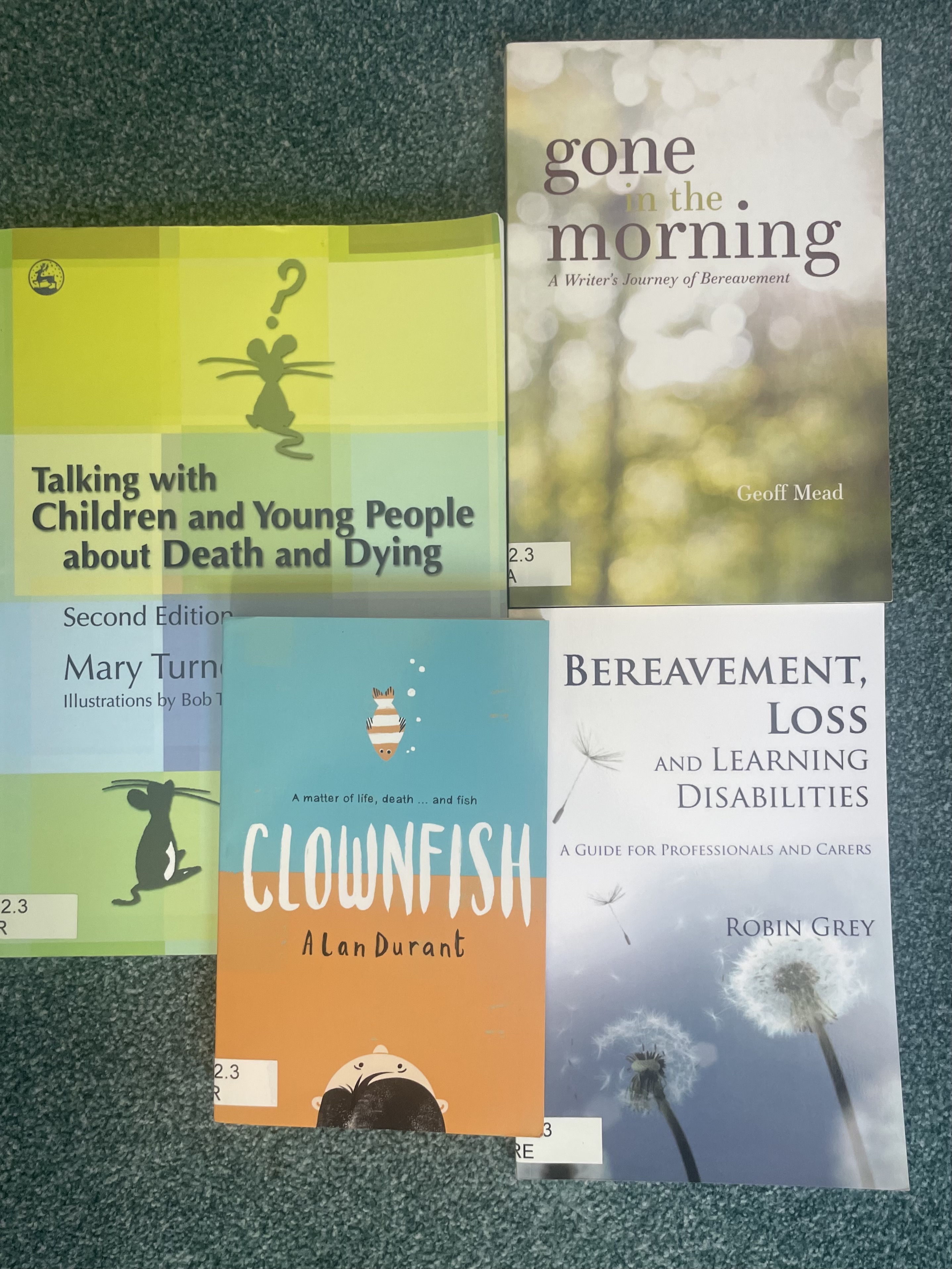
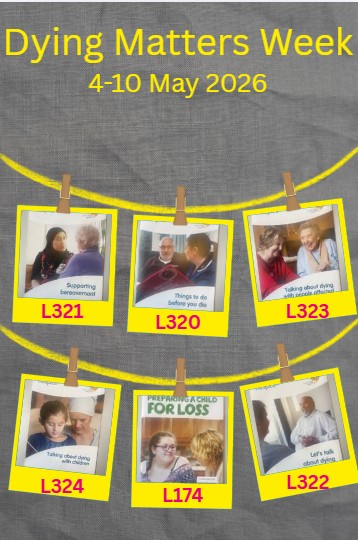
Community Activity Across Leeds
A range of events have taken place across the city, led by community organisations, health partners and local networks.
Song share with The Swan Song Project
9 May, 1pm to 3pm
An opportunity to hear songs written by terminally ill and bereaved people.
Looking Ahead: Good Life and Death Conference
11 June, Pudsey Civic Hall
A free, one-day conference focused on health inequalities and promoting equity in life and death.
The Role of Community Organisations
Much of this work is led by the VCSE sector. Community organisations create the trusted environments where people feel able to talk openly, ask questions and support each other.
These are not clinical spaces. They are familiar, local and shaped by the communities they serve. That makes them vital in helping people engage with topics that might otherwise be avoided.
Whether through informal conversations, creative activity or structured workshops, this work helps reduce isolation, build confidence and connect people to the right support.
Get Involved
If you are running activity during Dying Matters Week or have a story to share about conversations around death and dying, you can get in touch via email at grace.feeney@leeds.gov.uk.
Dying Matters Week is not about having all the answers. It is about starting the conversation.
Across Leeds, that conversation is already happening. The opportunity now is to keep it going.
