

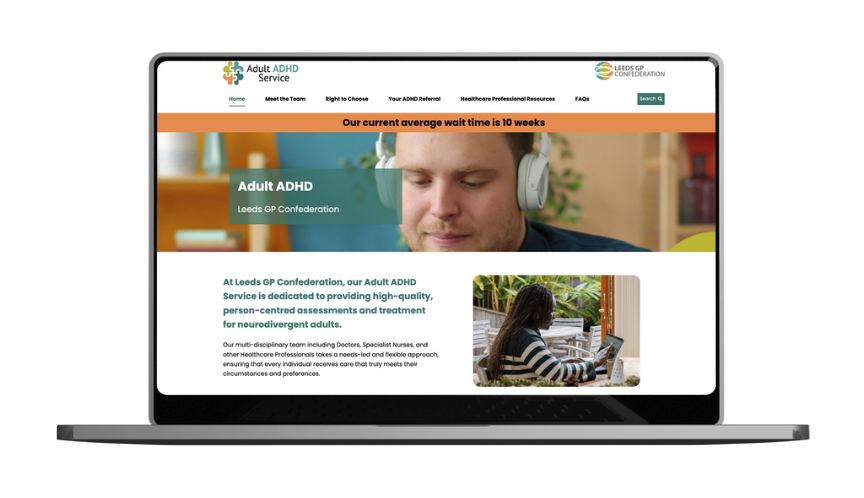
 A new Adult ADHD website has been launched by Leeds GP Confederation to provide clearer, more accessible information about assessment, referral routes and support for neurodivergent adults. You can view the site here.
The website has been developed in response to growing demand for ADHD services and the need to simplify what has become a complex and often confusing pathway for patients, GP practices and organisations supporting people across Leeds and West Yorkshire.
Why This Has Been Developed Now
Over the past 18 months, demand for adult ADHD assessment has increased significantly, placing pressure on general practice and specialist services. In Leeds, this has been compounded by changes in how referrals are managed and the number of providers involved in delivering assessments and treatment. As highlighted in a Leeds GP Confederation Confed Connects session (found at the bottom of the page), the service response has included the development of a Single Point of Access model. This model was designed to support patients at the earliest stage of their ADHD journey, particularly where individuals are unsure about next steps or where GP practices need additional support to manage demand and navigate referral options.
Single Point of Access
The Single Point of Access approach focuses on simplifying the “front door” to ADHD services. Rather than immediately referring patients into assessment pathways, it creates a structured point where people can be supported to understand their needs, access early guidance, and gather the information required for an appropriate referral if needed. This includes helping patients reflect on their experiences, understand symptoms, and access wider support, including Third Sector provision. It also allows referrals to be directed more efficiently to the most suitable provider, based on need, complexity and patient preference.
The new website supports this shift by providing a clear, patient-facing source of information that complements this model. It addresses a key gap identified in the session, where previously there was limited publicly accessible information explaining how the pathway works in practice.
About the Service and Website
The Leeds GP Confederation Adult ADHD service provides assessment and treatment for adults aged 18 and over who are registered with a GP in West Yorkshire. It is also accessible to patients across England through the NHS Right to Choose pathway. Referrals must be made by a GP.
The website brings together information that was previously fragmented or difficult to access. It includes guidance on how referrals work, what patients can expect from the process, and how care is delivered. It also outlines options for both face-to-face appointments in Leeds and remote consultations, supporting flexibility and accessibility. The site includes practical resources such as FAQs, patient information, a “meet the team” section, and a “how to find us” video to support people attending appointments.
You can explore the website here: https://bit.ly/4rTIkYc
Leeds GP Confederation also shared an earlier update on LinkedIn outlining the introduction of the service and its focus on flexible access, clear communication and follow-up support: https://bit.ly/4rTIkYc
Why This Matters Across Leeds
For organisations across the Third Sector, this development is particularly relevant. Many organisations are already supporting people who are exploring a diagnosis, waiting for assessment, or trying to understand how to access help. In practice, this often means navigating uncertainty around referral routes, provider choice, waiting times and what support is available before a diagnosis.
The combination of the Single Point of Access model and a clearer public-facing website begins to address some of these challenges. It provides a shared reference point that can be used in conversations with individuals and communities, helping to reduce confusion and improve confidence when signposting.
 What This Means in Practice
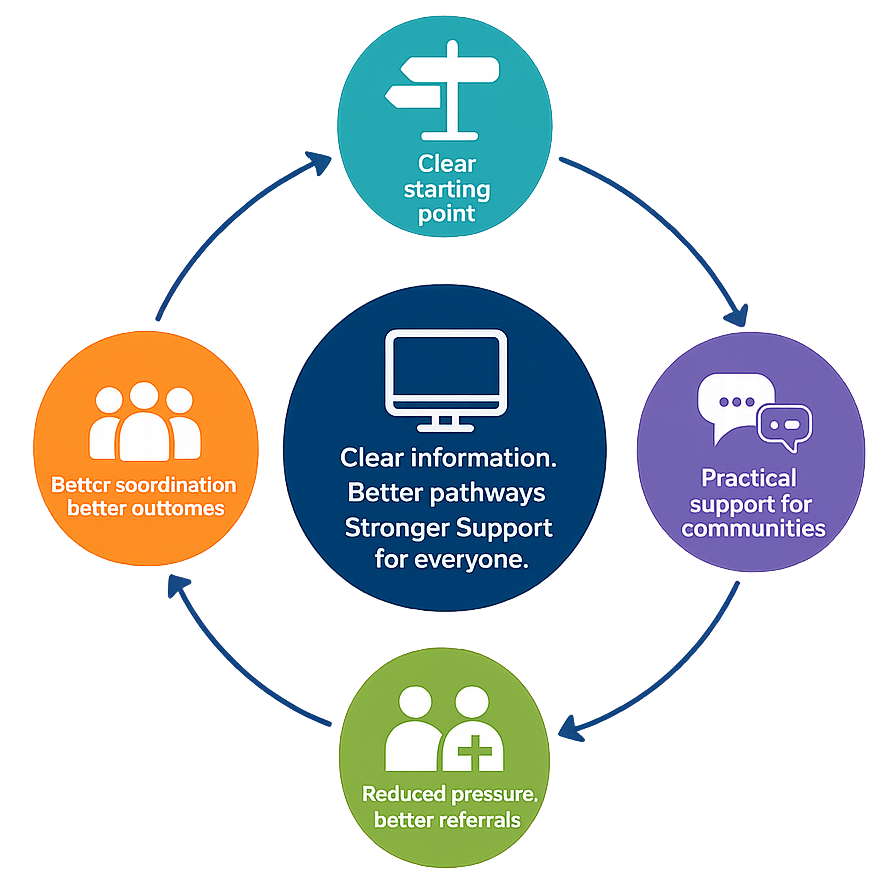
For people seeking support, the website offers a clearer starting point. It helps individuals understand how to access the service, what the process involves, and what options are available to them. This can reduce uncertainty at what is often the earliest and most confusing stage of the journey.
For VCSE and community organisations, it provides a practical tool for signposting. It supports more informed conversations with people who may be exploring ADHD and helps organisations connect individuals to the right pathway without requiring them to interpret complex system information themselves.
For clinicians and GP practices, the wider model aims to reduce pressure by providing structured support before referral. The Single Point of Access approach helps gather relevant information, support patients earlier, and ensure referrals are more appropriate and better aligned with available providers.
For system partners and commissioners, it represents a broader effort to manage demand more effectively while improving the patient experience. It also highlights the ongoing need for coordination between services, clear communication, and accessible information.
Further Context and Source
The Confed Connects session provides a detailed overview of how the Single Point of Access model works in practice, including its development, role in the pathway, and how it supports both patients and GP practices. The recording is aimed primarily at professionals and is around one hour long: https://www.youtube.com/watch?v=x72QFZR2cKA
